Kumana National Park, Sri Lanka: Bird Safari Guide & Round-Trip Taxi Rates (2026)
The Eastern Province's wild, quiet alternative to Yala — a paradise for birds and big game
About Kumana National Park
Kumana National Park — known until 2006 as Yala East — sprawls across roughly 35,664 hectares of mangrove swamps, lagoons, plains and forest in the far south-east of Sri Lanka, in the Ampara District of the Eastern Province. It shares a boundary with the famous Yala National Park, but where Yala draws the crowds, Kumana stays gloriously wild and quiet.
Kumana is celebrated above all as one of Asia's great birdwatching destinations, thanks to the Kumana villu. But it is also home to leopards, elephants, crocodiles and more — all explored on a peaceful jeep safari with barely another vehicle in sight. The easiest base is Arugam Bay, just up the coast, and TaxiGo handles the round-trip transfer.
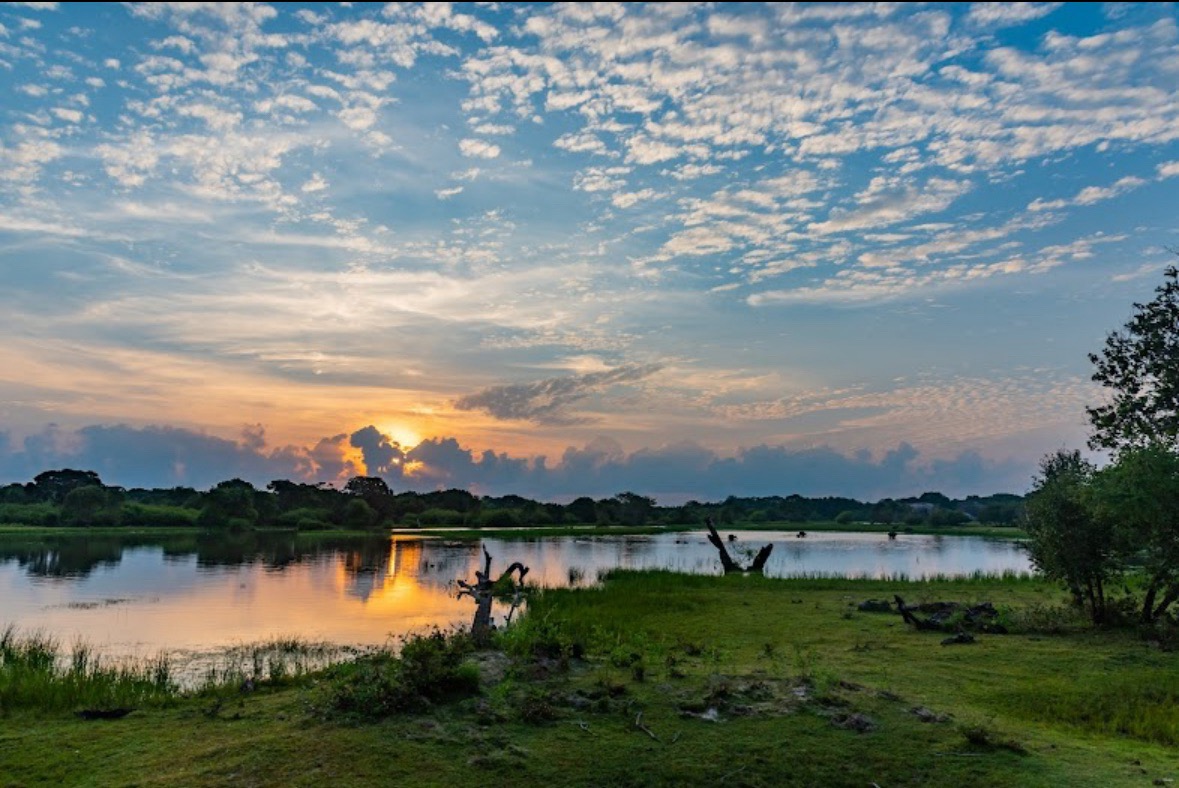
The Kumana Villu & Bird Sanctuary
At the heart of the park lies the Kumana villu — a roughly 200-hectare mangrove swamp lagoon fed by the Kumbukkan Oya. It is one of Sri Lanka's most important bird-nesting grounds: from about April to July, tens of thousands of waterbirds descend to breed, turning the villu into a noisy, teeming spectacle.
Over 255 bird species have been recorded here. Expect pelicans, painted storks, spoonbills, herons, egrets, cormorants and ibis, alongside rarities such as the black-necked stork and a host of migratory waders. For serious birders, the nesting season at Kumana is one of the finest wildlife shows in the country.
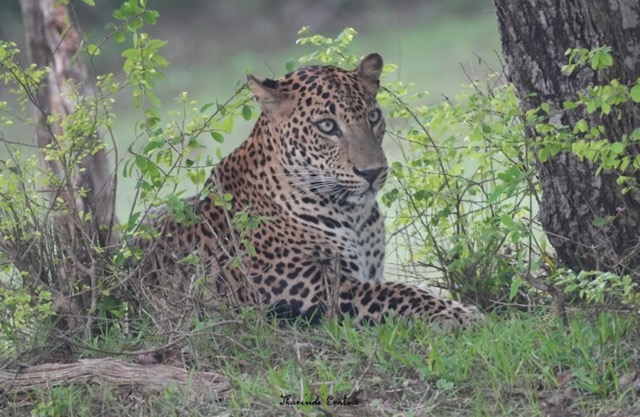
Kumana vs Yala: Which Should You Visit?
They sit side by side, but they offer very different experiences. Yala is world-famous for its leopards and is the busier, more visited park — at peak times you'll share sightings with many jeeps. Kumana is quieter, wilder and unrivalled for birdlife and solitude, with a real feeling of having the wilderness to yourself.
The honest answer: if leopards top your list, choose Yala; if you love birds, peace and untouched landscapes, choose Kumana — and many wildlife lovers do both. You can also pair a Kumana birding safari with the surf at Arugam Bay for the perfect east-coast week.
Best Time to Visit & How to Get There
For the famous nesting season, visit April to July, when the villu is alive with breeding birds. The east coast is generally driest and sunniest from about May to September, which is also prime beach time at nearby Arugam Bay. Morning safaris (from gate opening at 6:00 AM) give the best activity and light.
Kumana is reached from the Okanda entrance, about 22 km south of Arugam Bay/Pottuvil — under an hour away, which makes Arugam Bay the natural base. The simplest plan is a private round-trip TaxiGo transfer from your hotel to the safari start and back, timed around the early gate opening.
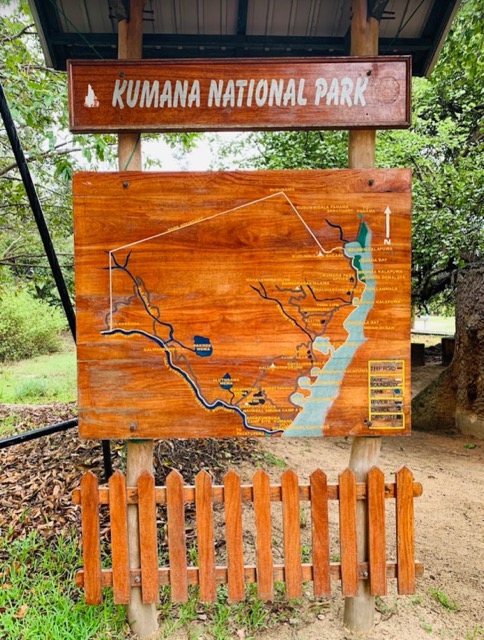
Ready for a Kumana bird safari? Book a fixed-fare round-trip TaxiGo transfer
Round-Trip Taxi Rates from 20 Eastern Province Hotels to Kumana
Round-trip (return) fares computed by TaxiGo's own fare engine for a mini, sedan and van — hotel pickup, drive to your Kumana safari start point and back. Distances shown are one-way. Tap any price to confirm and book your route on WhatsApp; the in-park jeep safari and tickets are arranged separately at the gate.
Where to Stay: Top Eastern Province Bases
1. Kottukal Beach House by Jetwing
A boutique Jetwing beachfront retreat at Pottuvil, the closest comfortable base to Kumana's Okanda gate — calm, stylish and steps from the sand.
2. Hideaway Arugam Bay
A laid-back garden hideaway in Sri Lanka's most famous surf town, a short drive from Kumana and perfect for pairing waves with wildlife.
3. Maalu Maalu Resort & Spa, Pasikudah
An award-winning beach resort on Pasikudah's calm, shallow bay — the pick of the central-east coast for a relaxed wildlife-and-beach trip.
4. Jungle Beach by Uga, Trincomalee
A luxury jungle-meets-beach hideaway near Trincomalee for travellers exploring the whole eastern coast and its national parks.
5. Stardust Beach Hotel, Arugam Bay
A long-loved Danish-run beach hotel right on Arugam Bay — friendly, characterful and well placed for early-morning Kumana safaris.
Things to Do Around Kumana
Kumana Bird Safari
A dawn jeep safari to the villu in nesting season (Apr–Jul) is the highlight — thousands of storks, pelicans, herons and rare waders.
Surf Arugam Bay
Pair your safari with Sri Lanka's most famous surf point (best Apr–Oct), just up the coast — waves in the morning, wildlife the next day.
Okanda Temple & Pada Yatra
Visit the sacred Okanda Devalaya at the park's edge, a key point on the ancient Pada Yatra pilgrimage to Kataragama.
Yala Leopard Safari
Add a Yala safari for the world's best leopard odds — Kumana's famous neighbour to the west.
Pottuvil Lagoon & Beaches
Boat the mangrove lagoon for elephants and birds, or relax on the quiet beaches around Pottuvil and Panama.
Safari Day Trips (Sponsor)
Planning more Sri Lanka wildlife? Book elephant safaris through TaxiGo's sponsor site udawalawa.com.
Frequently Asked Questions
Kumana National Park
Where is Kumana National Park?
Kumana National Park is in the far south-east of Sri Lanka, in the Ampara District of the Eastern Province. It borders Yala National Park to the west and is reached from the coast near Okanda, about 22 km south of Arugam Bay.
What was Kumana National Park called before?
Kumana was formerly known as Yala East National Park. It was renamed Kumana National Park in 2006. It covers about 35,664 hectares of mangrove swamps, lagoons, plains and forest.
What is the Kumana villu / bird sanctuary?
The Kumana villu is a roughly 200-hectare mangrove swamp lagoon, fed by the Kumbukkan Oya, and one of Sri Lanka's most important bird-nesting sites. From around April to July tens of thousands of waterbirds gather here to breed, making Kumana a world-class birdwatching destination.
What birds can you see at Kumana?
Over 255 bird species have been recorded. Highlights include pelicans, painted storks, spoonbills, herons, egrets, cormorants, ibis and the rare black-necked stork, plus many migratory waders. The nesting colonies in the villu are the big draw for birders.
When is the best time to visit Kumana?
For the spectacular bird-nesting season, visit roughly April to July, when the villu fills with breeding waterbirds. The drier months generally offer the best game-viewing and access; conditions on the east coast are warmest and driest from about May to September.
Is Kumana better than Yala?
It depends what you want. Yala is famous for leopards and is busier; Kumana is quieter, wilder and unbeatable for birdlife, with a real sense of solitude and fewer jeeps. Many wildlife lovers visit both — Yala for big cats, Kumana for birds and serenity. For birdwatchers, Kumana is often the better choice.
Are there leopards and elephants in Kumana?
Yes. As a neighbour of Yala, Kumana is home to leopards, elephants, crocodiles, wild boar, deer and occasionally sloth bear — though it is the birdlife and the peaceful, untouched landscape that set Kumana apart.
How do you get to Kumana National Park?
The usual access is along the south-east coast to the Okanda entrance, about 22 km south of Arugam Bay/Pottuvil. The simplest way is a private taxi transfer to your safari start point — TaxiGo runs fixed-fare transfers across the Eastern Province.
How far is Kumana from Arugam Bay?
Kumana's Okanda gate is roughly 22 km south of Arugam Bay, about 45 minutes to an hour by road, which makes Arugam Bay the most popular base for a Kumana safari.
Can you do a Kumana safari as a day trip from Arugam Bay?
Absolutely. With the park gate under an hour away, an early-morning safari from Arugam Bay or Pottuvil gets you back to the beach by lunchtime. TaxiGo can handle the round-trip transfer and time it around the gate opening.
What is Okanda?
Okanda is a sacred site at the edge of Kumana, home to the Okanda Devalaya temple and a key staging point of the annual Pada Yatra — Sri Lanka's oldest foot pilgrimage, which passes through Kumana on the way to Kataragama.
TaxiGo Service FAQs
How do I book a TaxiGo taxi to Kumana National Park?
Use the round-trip rate table on this page — tap any fare to open a WhatsApp message pre-filled with your hotel and Kumana, and confirm your booking. You can also book at taxigo.lk or message TaxiGo directly on WhatsApp.
How much is a round-trip taxi from Arugam Bay to Kumana?
As an example from TaxiGo's own fare engine, a return taxi from the Arugam Bay/Pottuvil area to Kumana and back is around Rs 10,000–10,500 for a sedan (mini and van options are shown in the table). Exact mini, sedan and van round-trip fares from 20 Eastern Province hotels are listed above.
Does TaxiGo cover the Eastern Province?
Yes. TaxiGo provides fixed-fare transfers right across the east — Arugam Bay, Pottuvil, Batticaloa, Pasikudah, Kalkudah, Trincomalee and Nilaveli — including round trips to Kumana and onward island-wide journeys.
What vehicles does TaxiGo offer for the Kumana route?
Three categories on every route: a mini (economy car), a sedan (standard car) and a van for groups, birding gear or extra luggage. Each table row shows the round-trip fare for all three.
Can TaxiGo combine a Kumana safari with Arugam Bay surf or other parks?
Yes. Drivers can pair a Kumana birdwatching safari with Arugam Bay surfing, the Okanda temple, or a Yala leopard safari, and build multi-day east-coast and wildlife itineraries. Add your plans when booking, or arrange it directly with TaxiGo.
Ready for your Kumana safari?
Book a comfortable, fixed-fare round-trip TaxiGo transfer from Arugam Bay, Pasikudah, Trincomalee or any Eastern Province hotel.
📞 +94 77 083 3772 | Available 24/7
Explore more: Hikkaduwa · Weligama · Colombo Airport taxi rates

