Galle Dutch Fort: History, Travel Guide & Taxi Transfers (2026)
Sri Lanka's best-preserved colonial fortress — ramparts, lighthouse and a living old town by the sea
The History of Galle Dutch Fort
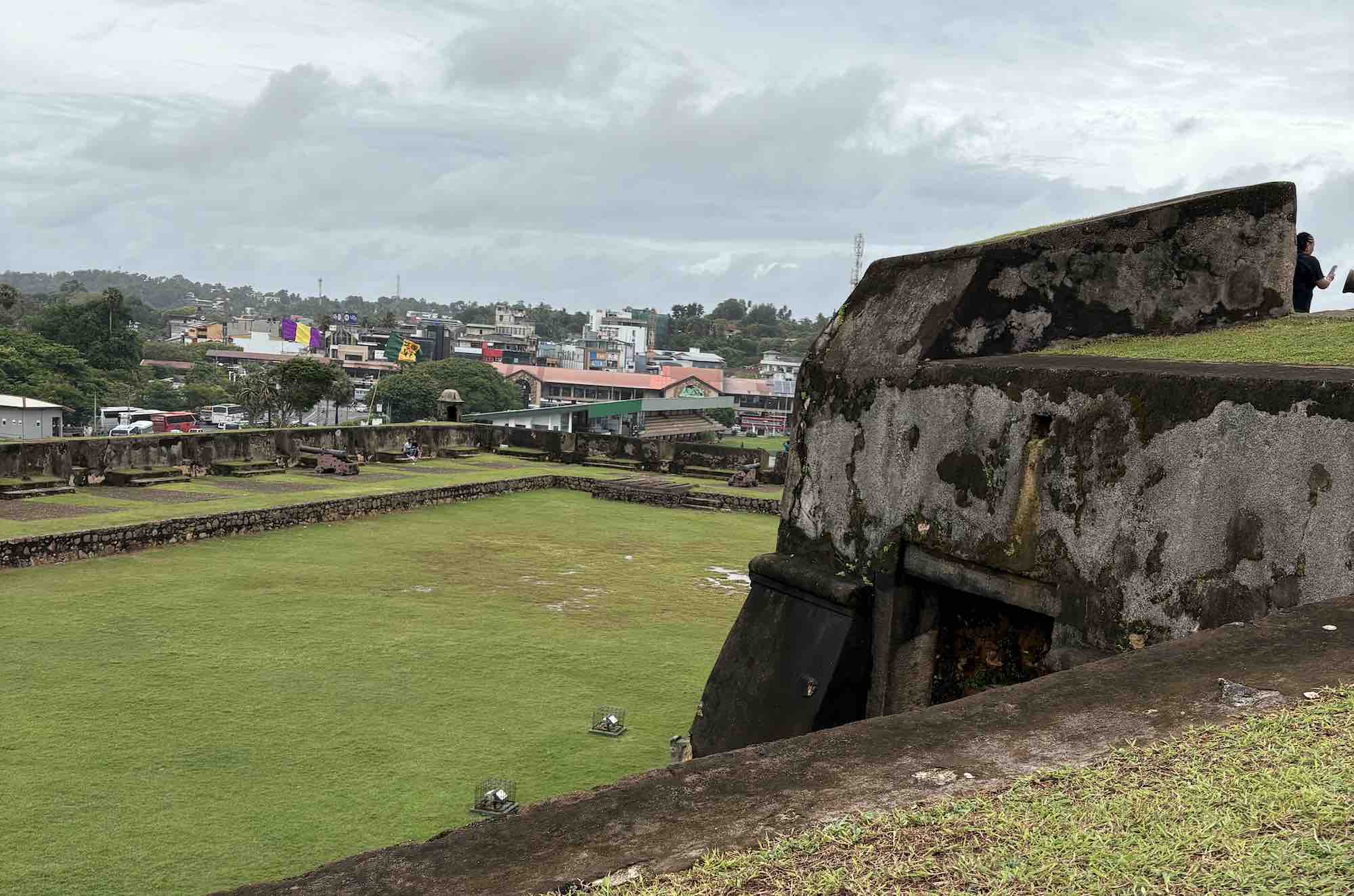
The Galle Dutch Fort — known simply as Galle Fort — stands on a rocky peninsula in the Bay of Galle on Sri Lanka's southwest coast. It was first built by the Portuguese in 1588, but its enduring form is the work of the Dutch: after the Dutch East India Company (VOC) captured Galle in 1640, they demolished the Portuguese works and, from 1649 onwards, rebuilt the fort on a far grander scale with massive granite-and-coral ramparts and 14 bastions.
Covering roughly 52 hectares (130 acres), the fort encloses a complete colonial town of Dutch and later British streets, churches, warehouses and villas. In 1988 UNESCO inscribed the "Old Town of Galle and its Fortifications" on the World Heritage List as the best-preserved example of a European-built fortified city in South and Southeast Asia — a remarkable fusion of European engineering with South Asian craft and climate.
Today Galle Fort is one of Sri Lanka's most popular tourist destinations: visitors walk the sea-facing ramparts at sunset, photograph the 1939 lighthouse, explore the Dutch Reformed Church and Maritime Museum, and browse boutique hotels, art galleries, gem shops and cafés along the cobbled lanes. The same walls that have stood for centuries even sheltered the old town through the 2004 tsunami. Reaching it is easy — a comfortable couple of hours by taxi from Colombo or the airport on the Southern Expressway, which is where TaxiGo comes in.
Visiting Galle Fort? Book a reliable TaxiGo transfer
Taxi Rates from 40 Popular Sri Lanka Hotels to Galle Fort
Real fares computed by TaxiGo's fare engine for a mini, sedan and van. Tap any price to open the live transfer page and book — the fare shown there matches the table.
Taxi Rates from 40 Popular Destinations to Galle Fort
Travelling to Galle Fort from elsewhere in Sri Lanka? Pick your starting point and tap a price to book the live transfer.
Top Things to Do at Galle Fort
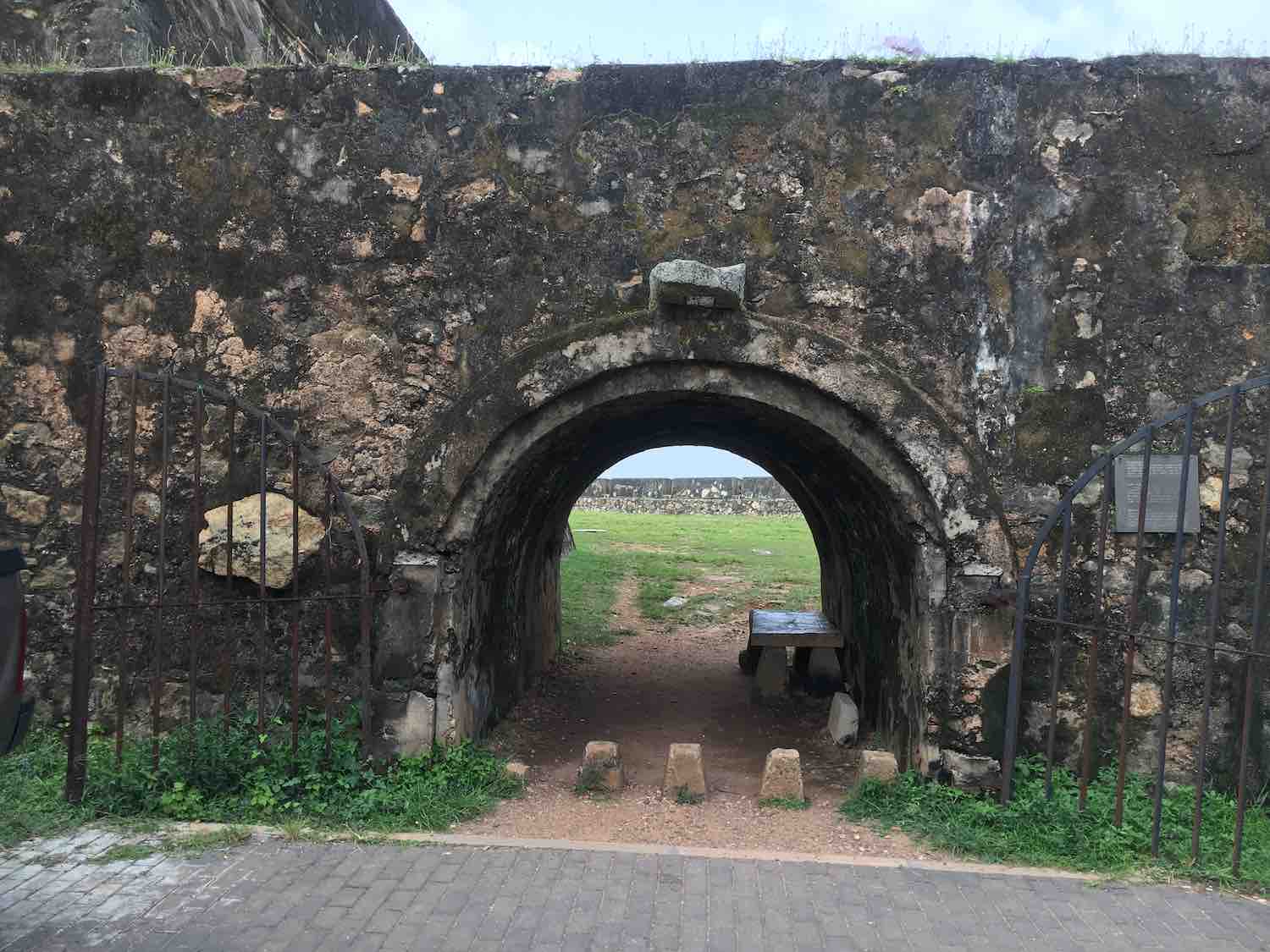
Walk the Ramparts
Stroll the 3 km of Dutch-built sea walls and bastions — the classic spot for a Galle Fort sunset over the Indian Ocean.
Galle Lighthouse
Photograph Sri Lanka's oldest light station (current tower 1939) on Point Utrecht Bastion, framed by coconut palms.
Dutch Reformed Church
Visit the 1755 Groote Kerk with its antique organ and floor gravestones — one of the island's oldest Protestant churches.
National Maritime Museum
Explore Galle's seafaring history inside a Dutch-era warehouse within the fort walls.
Shops, Galleries & Cafés
Browse gem and jewellery shops, art and design boutiques and seafront cafés around the Old Dutch Hospital.
Safari Day Trips (Udawalawe & Yala)
Galle is a comfortable base for southern safaris at Udawalawe (elephants) and Yala (leopards). Book Udawalawe safaris through our sponsor site udawalawa.com.
Frequently Asked Questions
Galle Dutch Fort & Sri Lanka Tourism
Where is Galle Fort in Sri Lanka?
Galle Fort sits on a rocky peninsula in the Bay of Galle on Sri Lanka's southwest coast, in the city of Galle in the Southern Province — about 130 km (roughly 2 hours via the Southern Expressway) south of Colombo.
Who built Galle Fort and when?
The fort was first built by the Portuguese in 1588. After the Dutch East India Company (VOC) captured Galle in 1640, they demolished the Portuguese works and rebuilt the fort on a far grander scale from 1649 onwards — the massive granite-and-coral ramparts and 14 bastions that survive today are largely Dutch.
Why is Galle Fort a UNESCO World Heritage Site?
In 1988 UNESCO inscribed the 'Old Town of Galle and its Fortifications' as the best-preserved example of a European-built fortified city in South and Southeast Asia, showing the fusion of European architecture with South Asian traditions. It remains a living town inside the walls.
How big is Galle Fort?
The fortified old town covers about 52 hectares (130 acres) and is enclosed by ramparts running roughly 3 km around the peninsula, punctuated by 14 bastions such as the Sun, Moon, Star and Flag Rock bastions.
Why is Galle Fort so popular with tourists?
It blends 400 years of colonial history with a still-living town: cobbled lanes of Dutch-era villas, boutique hotels, cafes, galleries and gem shops, all wrapped in sea-facing ramparts perfect for a sunset walk. It is one of Sri Lanka's most photographed and most visited attractions.
Is there an entrance fee for Galle Fort?
Walking into the fort and along the ramparts is free — it is an open, living town, not a ticketed site. Individual museums inside (such as the National Maritime Museum) charge a small entry fee.
What are the main things to see inside Galle Fort?
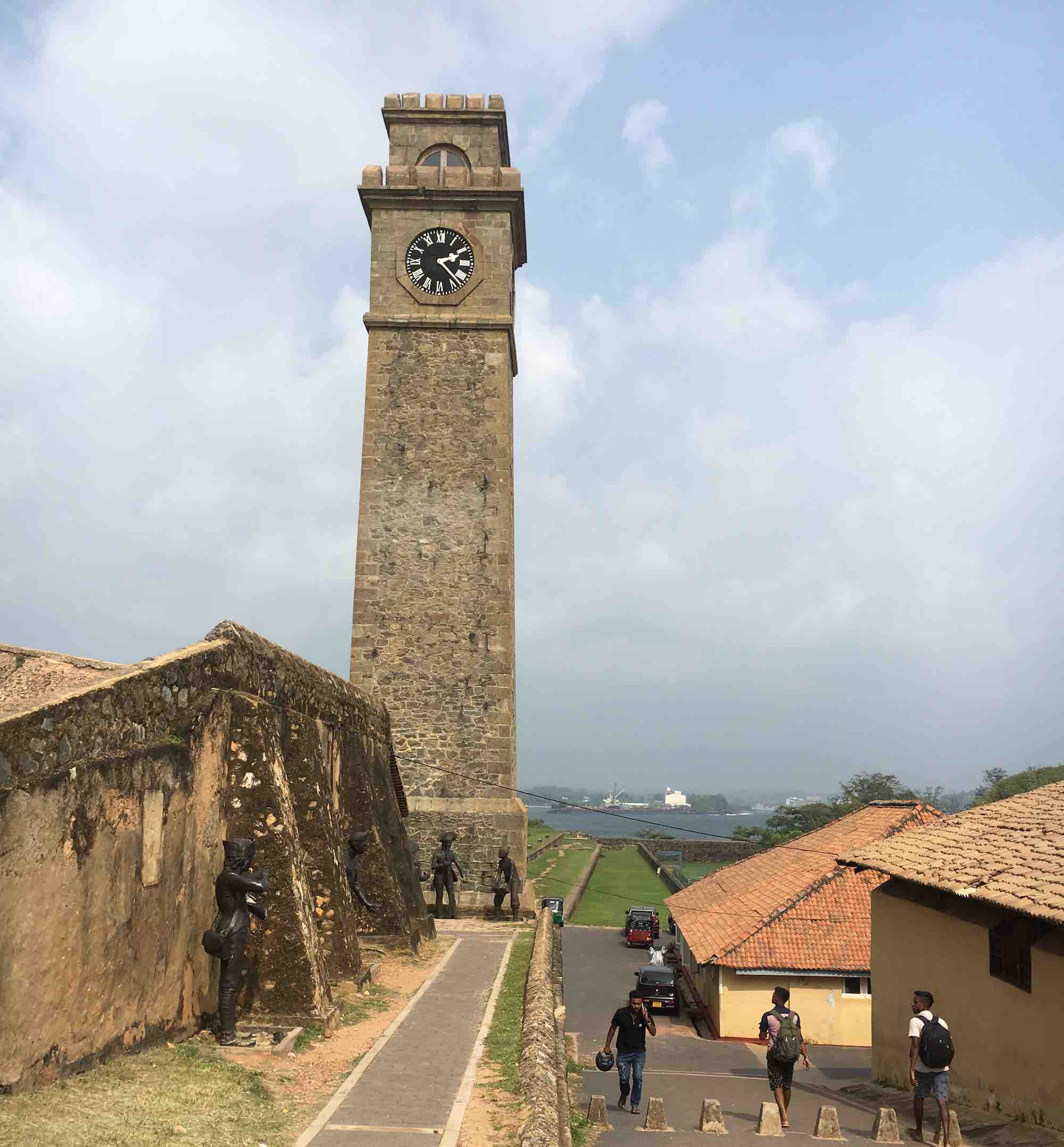
Highlights include the rampart walk, the Galle Lighthouse, the Dutch Reformed Church (Groote Kerk), the National Maritime Museum, the Meeran Jumma Mosque, the old clock tower, Flag Rock for sunset, and the restored Old Dutch Hospital shopping and dining precinct.
What is the Galle Lighthouse?
The Galle Lighthouse, on Point Utrecht Bastion, is Sri Lanka's oldest light station; the current 26 m white tower dates from 1939 and is one of the fort's most iconic photo spots, framed by coconut palms and the Indian Ocean.
What is the Dutch Reformed Church in Galle?
The Groote Kerk (Dutch Reformed Church), completed in 1755, is one of the oldest Protestant churches still in use in Sri Lanka, known for its antique organ, gravestones set into the floor, and Dutch colonial architecture.
Did Galle Fort survive the 2004 tsunami?
Yes. While much of the surrounding coast was devastated by the 2004 Indian Ocean tsunami, the fort's massive Dutch-era ramparts shielded the old town inside, which came through largely intact — a striking testament to the engineering of the walls.
How long should I spend at Galle Fort?
A half-day (3–4 hours) lets you walk the ramparts, see the lighthouse and main museums, and browse the shops. Many visitors prefer a full day or an overnight stay inside the fort to enjoy it at sunrise and sunset when crowds are thinnest.
When is the best time of day to visit Galle Fort?
Early morning and late afternoon are coolest and best for photography. The rampart walk near Flag Rock is the classic spot to watch the sunset over the Indian Ocean.
What is the best time of year to visit Galle?
Galle and the south coast are at their best from roughly November to April, the drier, sunnier season. The fort itself can be visited year-round as a town.
Can you stay inside Galle Fort?
Yes — the fort is full of boutique hotels and guesthouses set in restored Dutch and British colonial villas, from budget rooms to luxury heritage stays. Booking ahead is wise in peak season (December–March).
Is Galle Fort walkable and family-friendly?
Very. The fort is compact, flat and pedestrian-friendly, with quiet lanes, the rampart walk, ice-cream and cafe stops, and the sea close by — easy and enjoyable for families and older travellers.
What day trips can I do from Galle Fort?
Popular nearby trips include Unawatuna beach (10 min), Hikkaduwa (30 min), Mirissa whale watching (45 min), Koggala Lake and the stilt fishermen, the Handunugoda (Virgin White) tea estate, and turtle hatcheries along the coast.
How far is Galle Fort from Colombo?
Galle Fort is about 130 km from Colombo, roughly 2 hours by car using the E01 Southern Expressway, or longer along the scenic coastal road.
How far is Galle Fort from Colombo Airport (CMB)?
Bandaranaike International Airport (CMB) is about 153 km from Galle Fort, around 2 to 2.5 hours by car via the expressway — one of the most popular long transfers for arriving tourists.
How do tourists usually get to Galle Fort?
Most arrive by private car or taxi transfer from Colombo or the airport via the Southern Expressway, which is by far the fastest and most comfortable option. Galle is also a stop on the scenic southern coastal railway line.
Is Galle Fort good for shopping and dining?
Yes — the fort is known for gem and jewellery shops, art and design boutiques, handmade goods, and a strong cafe and restaurant scene, much of it around the Old Dutch Hospital precinct overlooking the sea.
TaxiGo Service FAQs
How do I book a TaxiGo taxi to Galle Fort?
Use the rate tables on this page — each fare links to the TaxiGo transfer page for that exact route, where you can confirm the price for a mini, sedan or van and complete your booking. You can also book at taxigo.lk or message TaxiGo on WhatsApp.
How much does a TaxiGo taxi to Galle Fort cost?
It depends on where you start. As examples from TaxiGo's own fare engine: Unawatuna to Galle Fort is around Rs 4,700 (sedan), Hikkaduwa around Rs 5,935, Colombo around Rs 21,050, and Colombo Airport around Rs 23,085. Every route's exact mini/sedan/van fare is listed in the tables above and confirmed live before you book.
Does TaxiGo offer airport transfers to Galle?
Yes. TaxiGo provides door-to-door transfers from Colombo Bandaranaike Airport (CMB) to Galle Fort and the south coast, with meet-and-greet at arrivals, fixed agreed fares and a comfortable expressway drive of about 2 to 2.5 hours.
What vehicles does TaxiGo offer for the Galle route?
TaxiGo offers three categories on every route: a mini (economy car), a sedan (standard car) and a van for groups or extra luggage. Each table row shows the fare for all three so you can choose the right size for your party.
Can TaxiGo combine a Galle Fort transfer with stops or tours?
Yes. TaxiGo drivers can add stops such as Bentota, Hikkaduwa, a turtle hatchery, Unawatuna or Mirissa whale watching on the way, or build multi-day south-coast and cultural tours. Add your plans in the notes when booking, or arrange it directly with TaxiGo.
Ready to visit the Galle Dutch Fort?
Book a comfortable, fixed-fare TaxiGo transfer from the airport, Colombo or any town in Sri Lanka.
📞 +94 77 083 3772 | Available 24/7

