Colombo Airport to Trincomalee by Taxi: Route, Stops & Fixed Fares
235 km from the arrivals hall to the east coast — Central Expressway, Dambulla, Habarana and Kantale — in a private car with a fixed price and a driver who knows the elephant stretches.
Most travellers heading for Trincomalee, Uppuveli or Nilaveli land at Bandaranaike International Airport in Katunayake — on the opposite side of the island. A private taxi is the simplest way across: no changes, no luggage on buses, and the driver can stop where you want. Every photo on this page is our own, taken on this road. Below are the measured distances for each leg, the stops worth making, and the live fixed fares — the same prices you will see when you book.
Colombo Airport → Trincomalee: Rs 37,170 for a sedan, all-inclusive.
Book this transferColombo Airport to Trincomalee taxi fares
Fixed prices per vehicle, including expressway tolls, fuel and the driver. Tap a route to see it on its booking page — the fare there is the same.
| Route | Distance | Time | Mini | Sedan | Van |
|---|---|---|---|---|---|
| Colombo Airport → Trincomalee | 234 km | 4 hours 39 mins | Rs 35,700US$123 | Rs 37,170US$129 | Rs 50,640US$175 |
| Colombo Airport → Uppuveli Beach | 237 km | 4 hours 44 mins | Rs 36,150US$125 | Rs 37,635US$130 | Rs 51,270US$178 |
| Colombo Airport → Nilaveli Beach | 249 km | 5 hours 3 mins | Rs 37,950US$131 | Rs 39,495US$137 | Rs 53,790US$186 |
| Colombo Airport → Kantale | 200 km | 4 hours 8 mins | Rs 30,600US$106 | Rs 31,900US$110 | Rs 43,500US$151 |
| Colombo Airport → Habarana | 150 km | 3 hours 10 mins | Rs 23,100US$80 | Rs 24,150US$83 | Rs 33,000US$114 |
| Colombo city → Trincomalee | 266 km | 5 hours 6 mins | Rs 40,500US$140 | Rs 42,130US$146 | Rs 57,360US$199 |
| Trincomalee → Colombo Airport | 234 km | 4 hours 40 mins | Rs 35,700US$123 | Rs 37,170US$129 | Rs 50,640US$175 |
The route, leg by leg
We measured each leg with Google Maps on 27 October 2026 (how we measure distances). Door to door the drive is about 235 km and 4 hours 50 minutes. Taking the old road instead of the expressway saves almost nothing in distance but costs about 30 minutes more. Some travel sites put Colombo Airport to Habarana at almost 300 km; measured by road it is 151 km.
| Leg | Distance | Time | Road |
|---|---|---|---|
| Colombo Airport (Katunayake) → Kurunegala | 72 km | 1 h 40 min | Central Expressway (E04) for most of it; leaves at the Kurunegala interchange |
| Kurunegala → Dambulla | 57 km | 1 h 23 min | A6 through Ibbagamuwa and Galewela |
| Dambulla → Habarana | 22 km | 27 min | A6 past Inamaluwa, the Sigiriya turn-off |
| Habarana → Kantale | 49 km | 51 min | Forest stretch — the wild-elephant part of the road |
| Kantale → Trincomalee | 37 km | 47 min | Past Kantale tank and the curd stalls |
Stop by stop: what you see on the way
1. Katunayake to Kurunegala on the Central Expressway
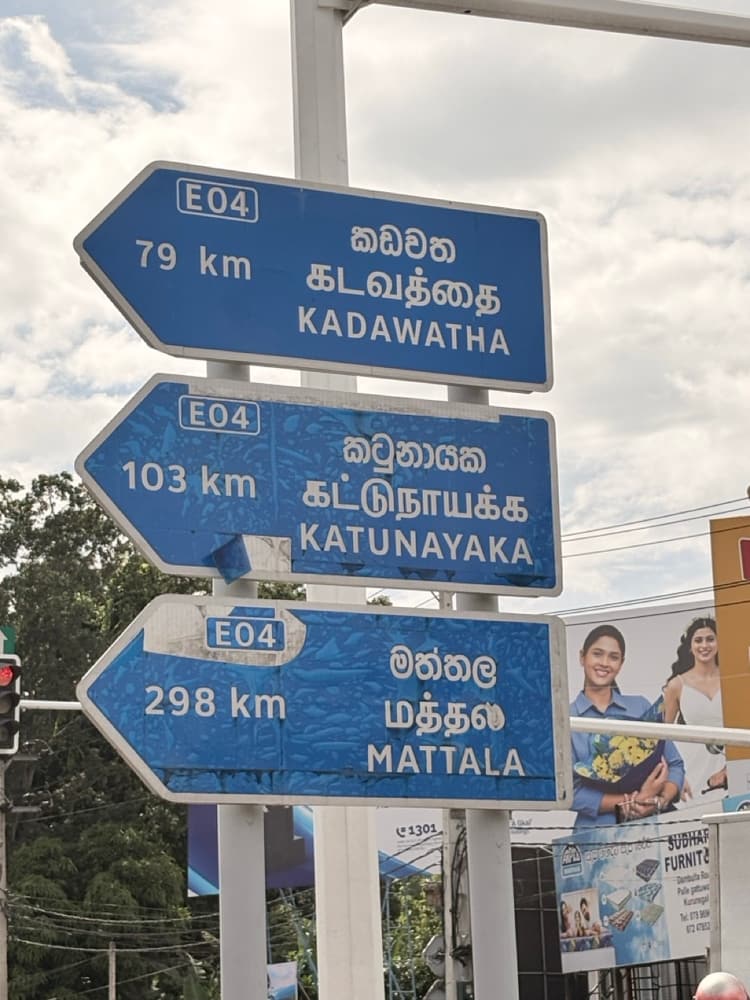
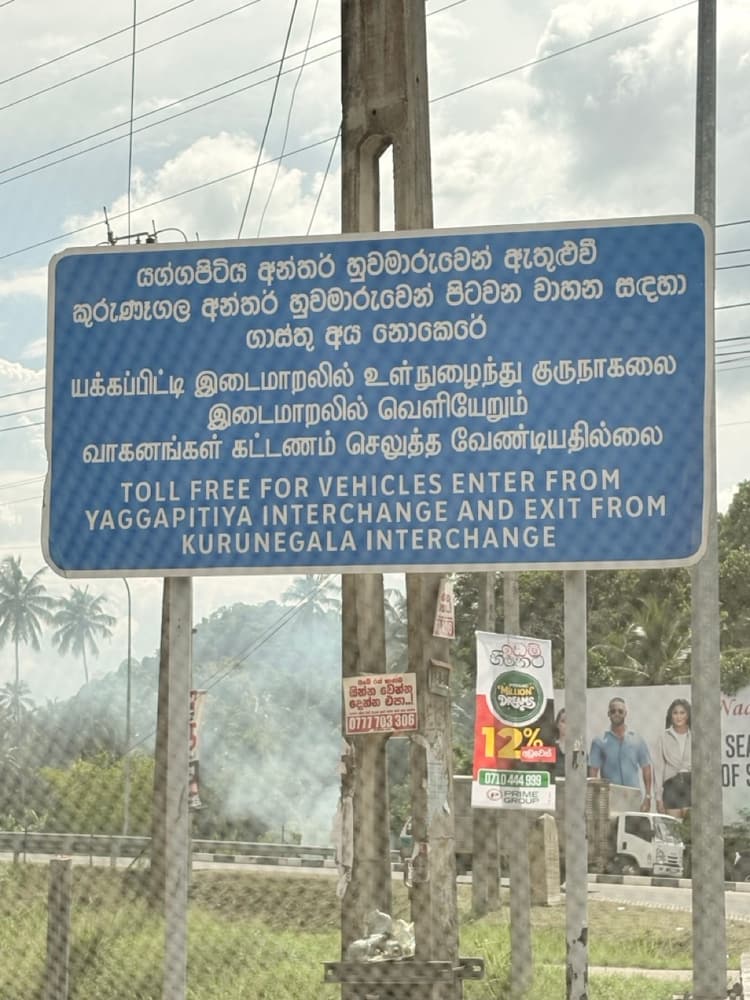
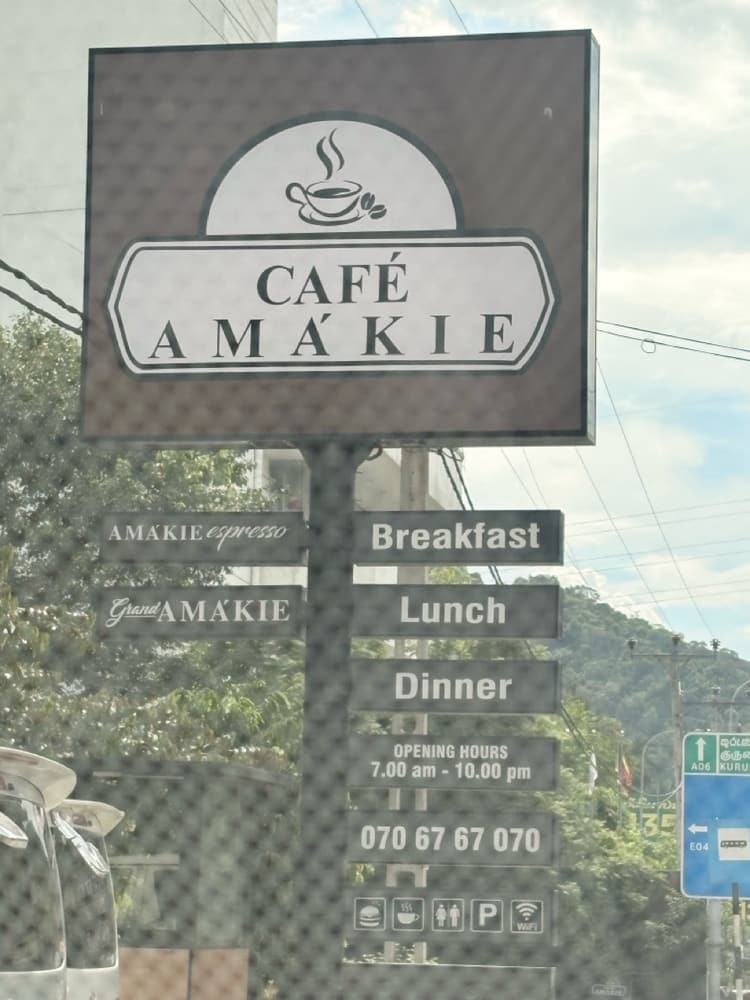
From the airport your driver joins the E04 Central Expressway. Its Mirigama–Kurunegala section opened in January 2022 and cut the slowest, most congested part out of this trip. You leave the expressway at Kurunegala, 103 km from Katunayake according to the signs — and the last short hop from Yaggapitiya to Kurunegala is toll free. Tolls on the rest are already in your fare. Just past the exit, Café Amakie serves breakfast, lunch and dinner from 7 am to 10 pm and is our drivers' favourite coffee stop.
2. Dambulla — the halfway town
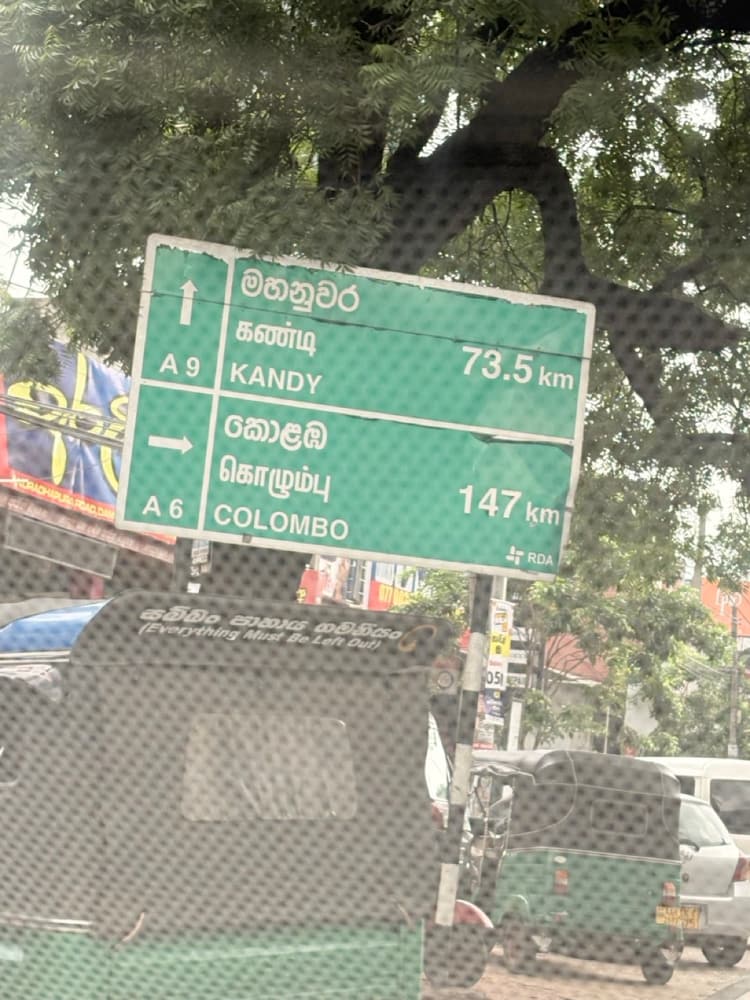
About 2 hours 50 minutes from the airport, the A6 reaches Dambulla, where the A9 branches off to Kandy (73.5 km on the junction sign) and the A6 carries on north-east. The town is a good place to stretch your legs, and the Dambulla cave temple is a short detour if you plan it into your day. Only going this far? See the Colombo Airport to Dambulla taxi.
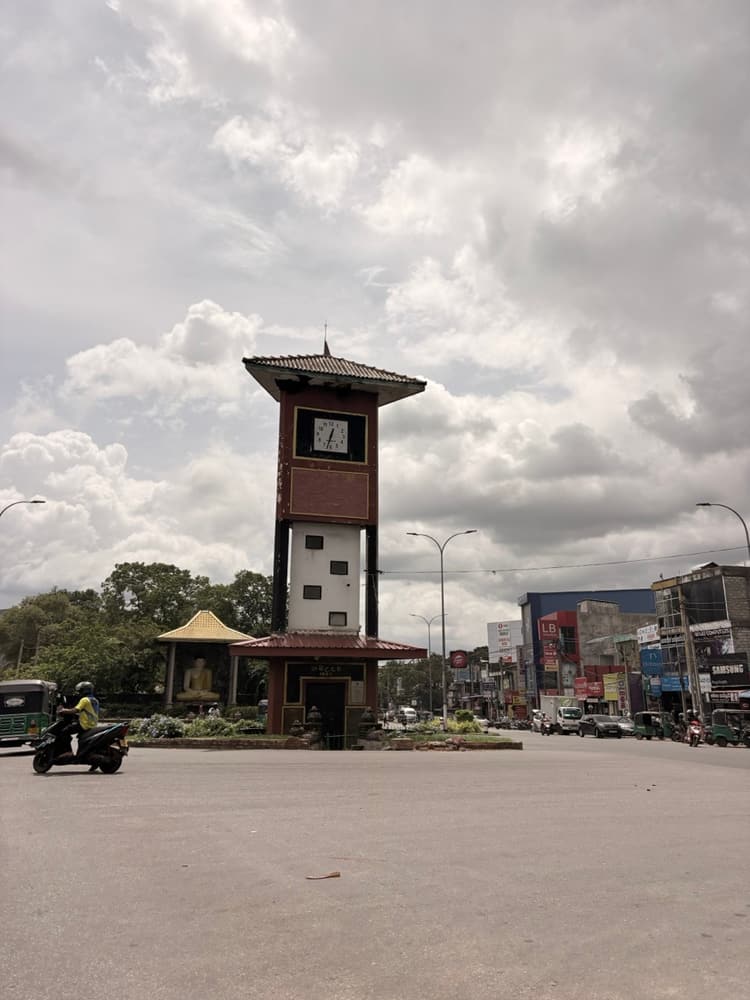
3. Inamaluwa, the Sigiriya turn-off, and shops worth a stop
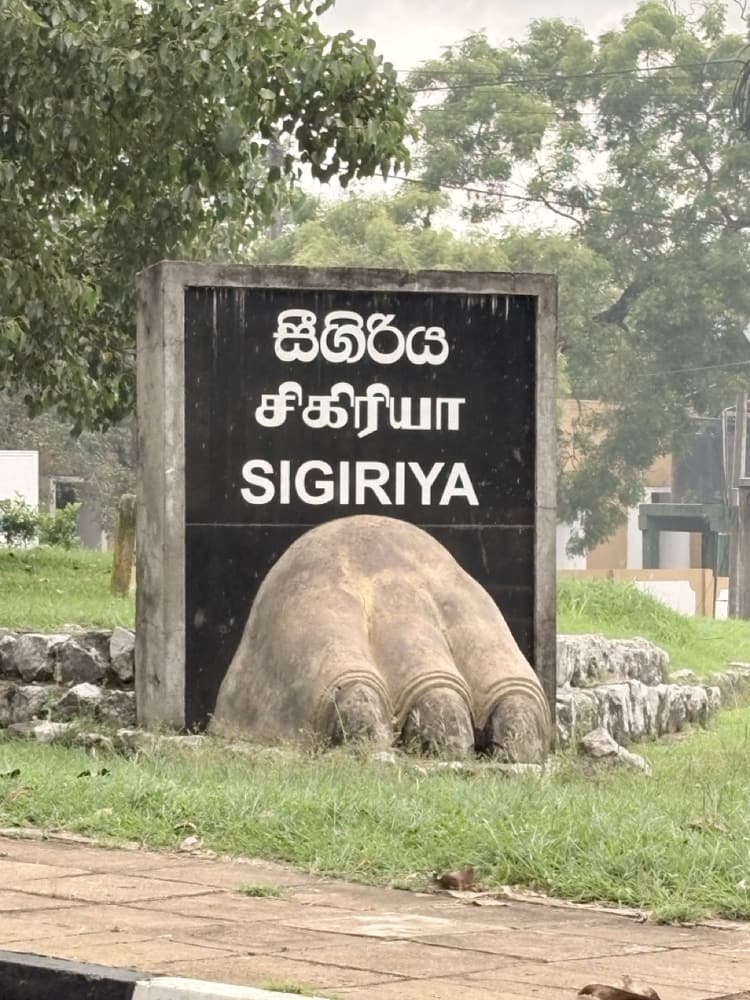
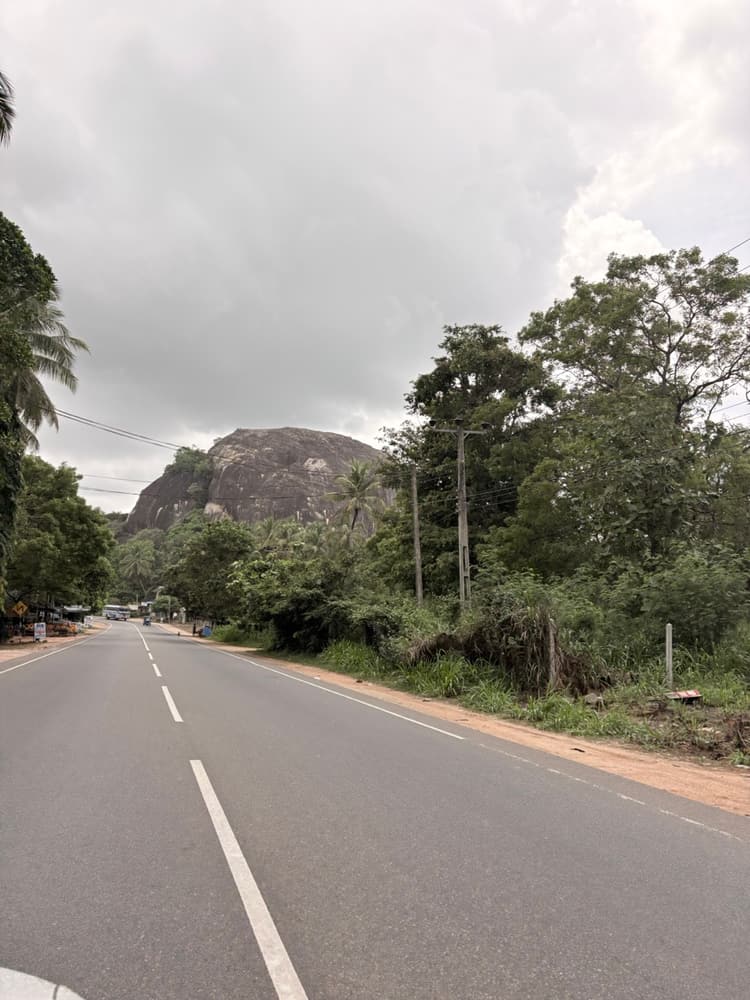
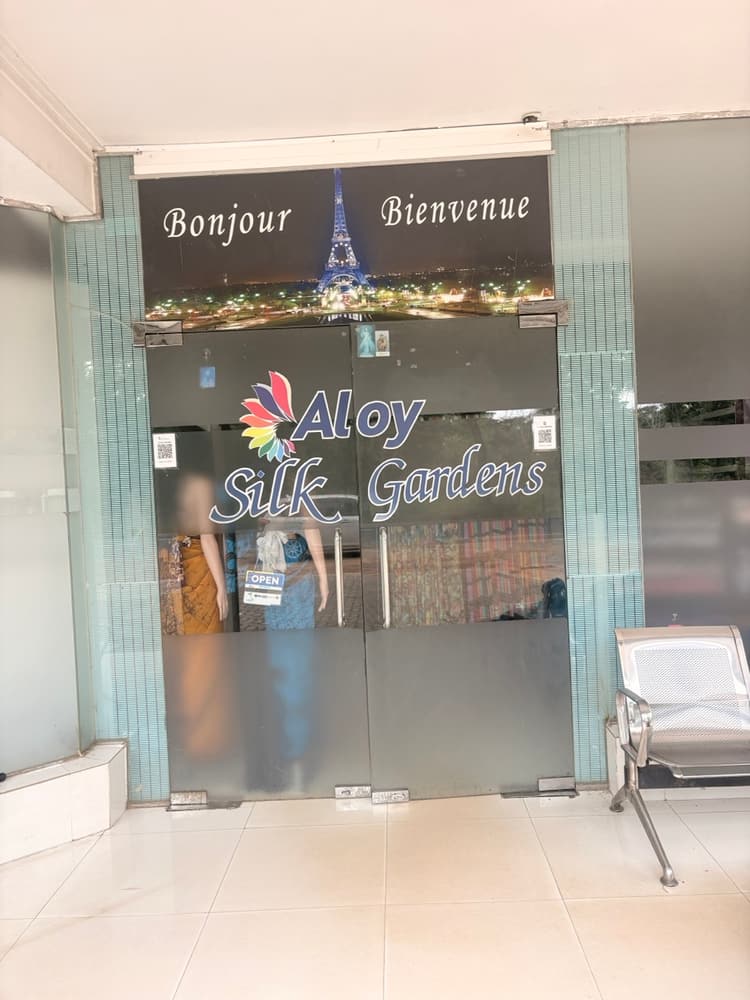
At Inamaluwa junction a sign with a stone lion's paw marks the road to Sigiriya Rock. This stretch of the Trincomalee road is lined with silk, wood-carving, tea and gem shops; these are the ones our drivers are happy to recommend if you want to browse.


Want a stop at Sigiriya or Dambulla built into your transfer? Tell us when you book.
Book this transfer4. Habarana — wild elephants beside the highway
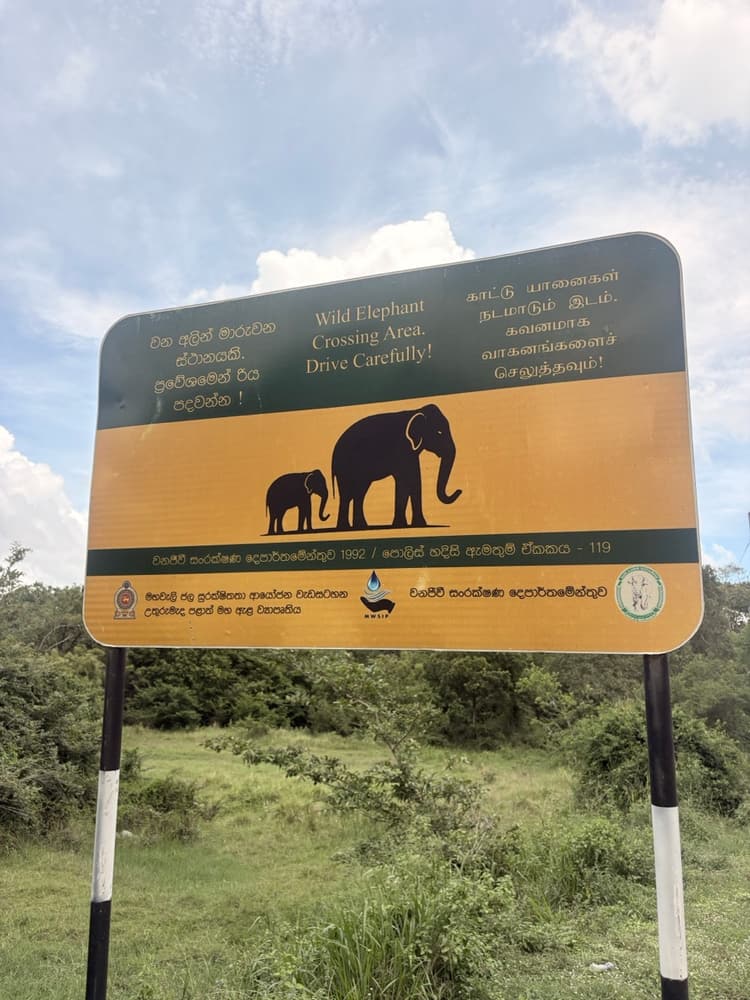
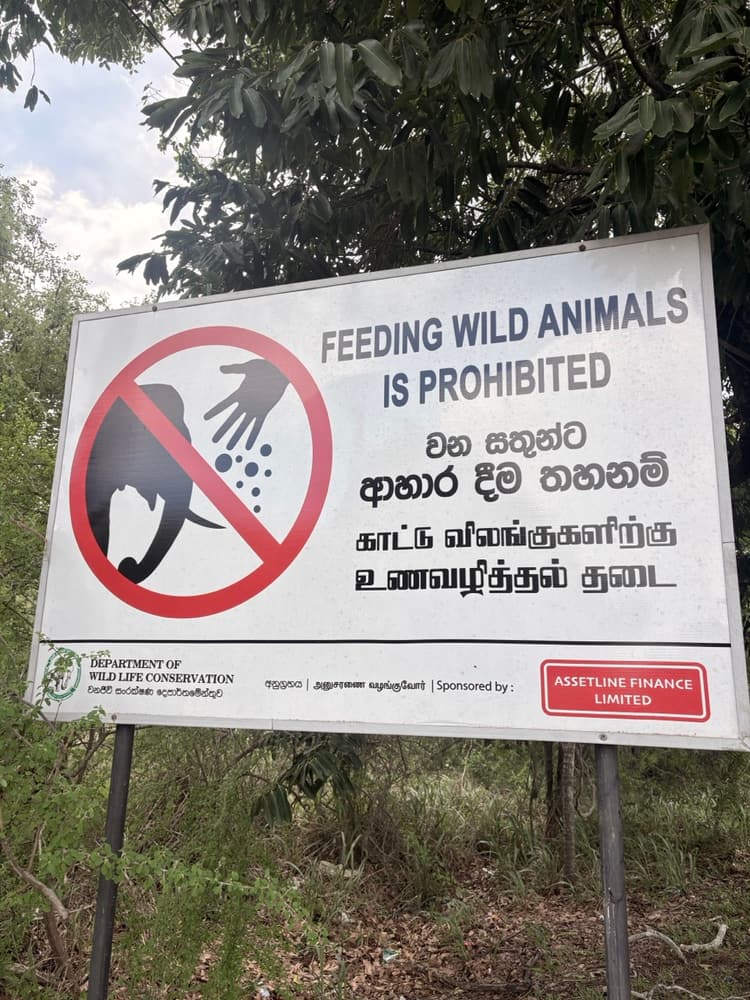
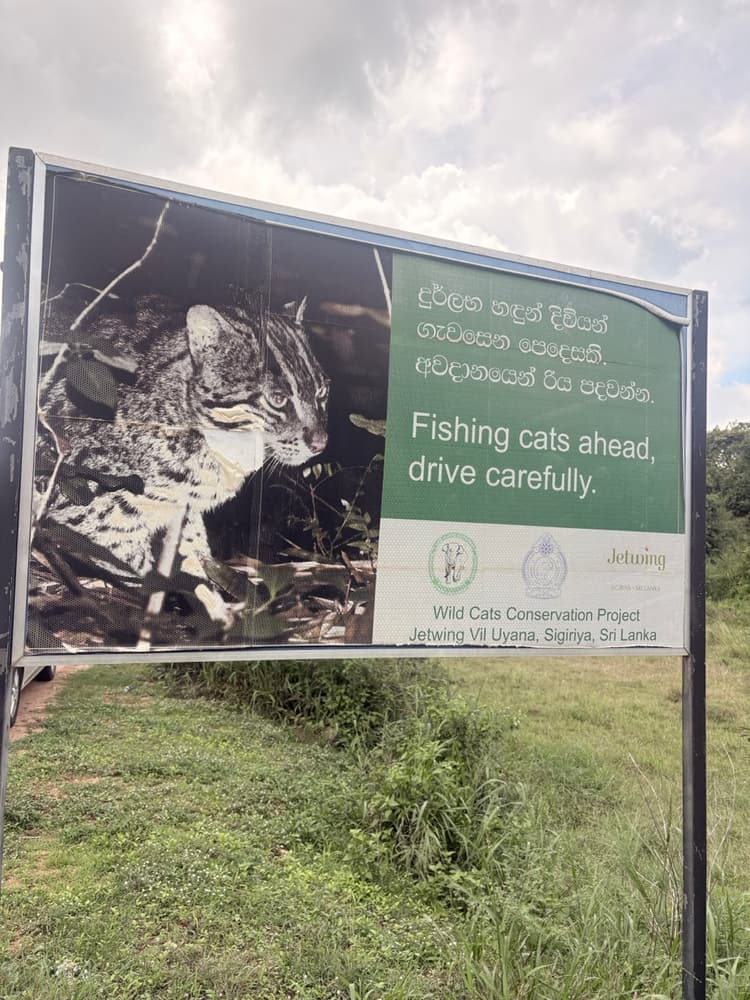
Past Habarana the road runs through forest, and this is where wild elephants step out to the edge of the A6 — the three below were photographed from our car. Wildlife signs warn of elephant crossings and, near Sigiriya, of fishing cats. Feeding wild animals is prohibited, and it is dangerous: an elephant that learns cars carry food becomes a road hazard. Our drivers slow down, keep their distance and never stop to feed. Habarana is also the base for the Minneriya and Kaudulla elephant safaris; Kaudulla, declared a national park in 2002, draws elephants from around September.
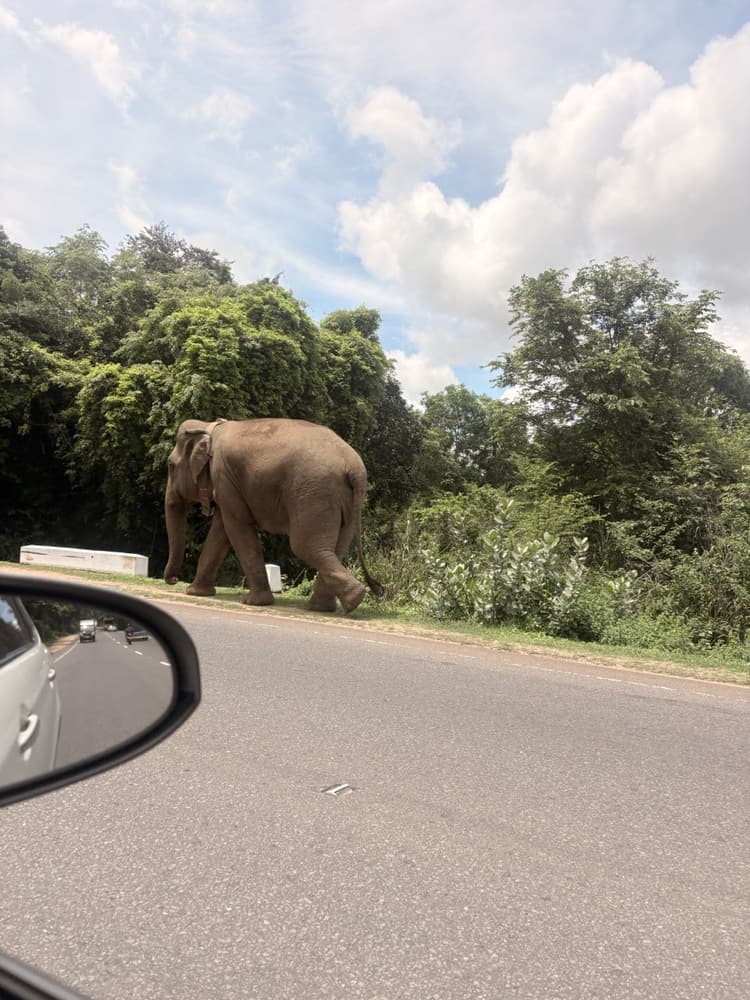
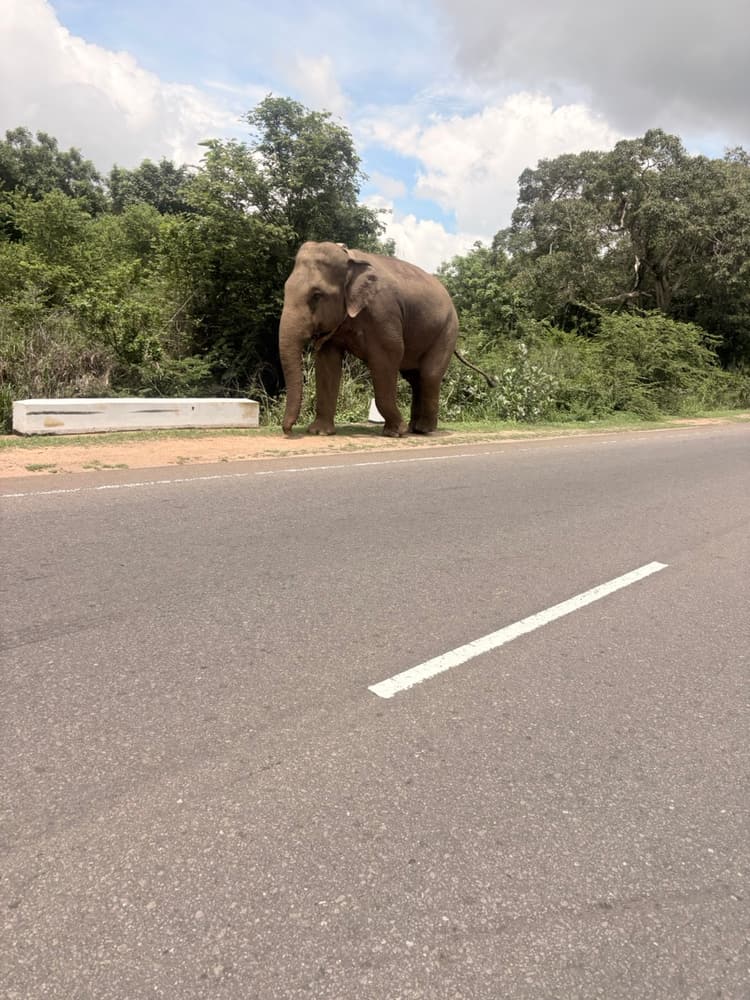
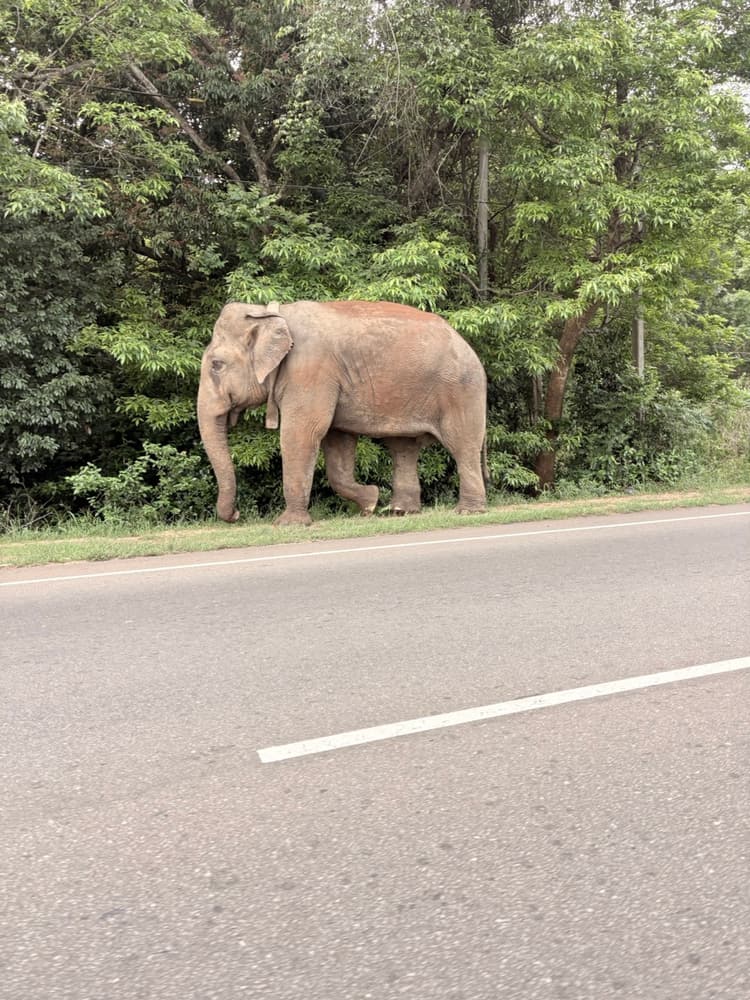
Elephants on the way, the beach by evening
One fixed price from the arrivals hall to your Trincomalee hotel — tolls, fuel and the driver included.
5. Kantale — the ancient tank and buffalo curd
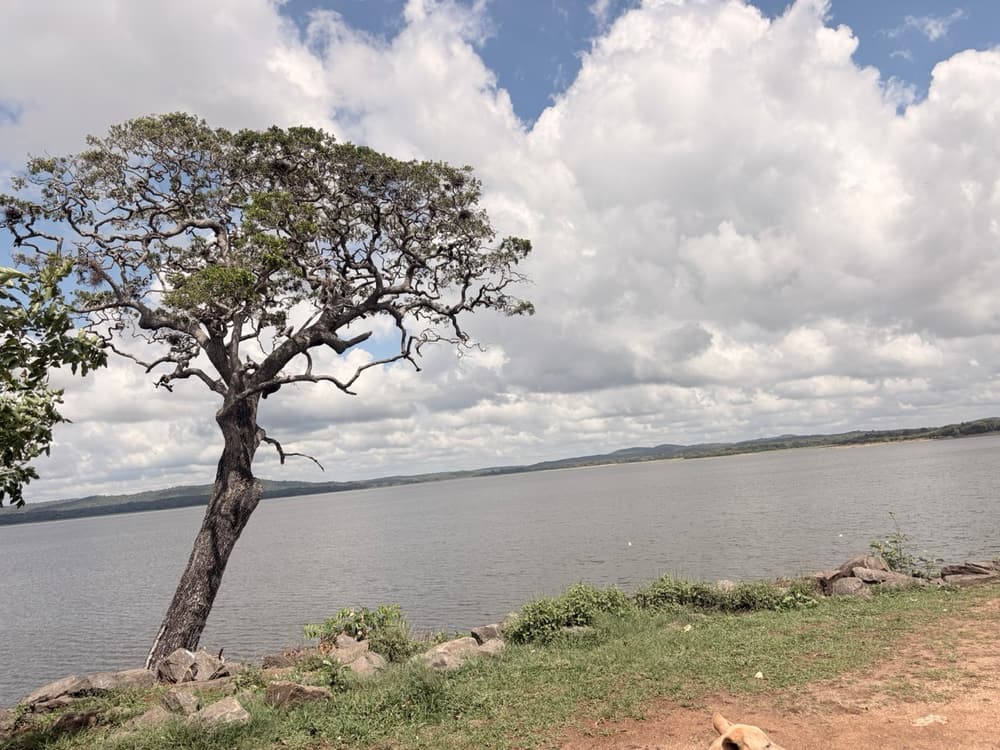
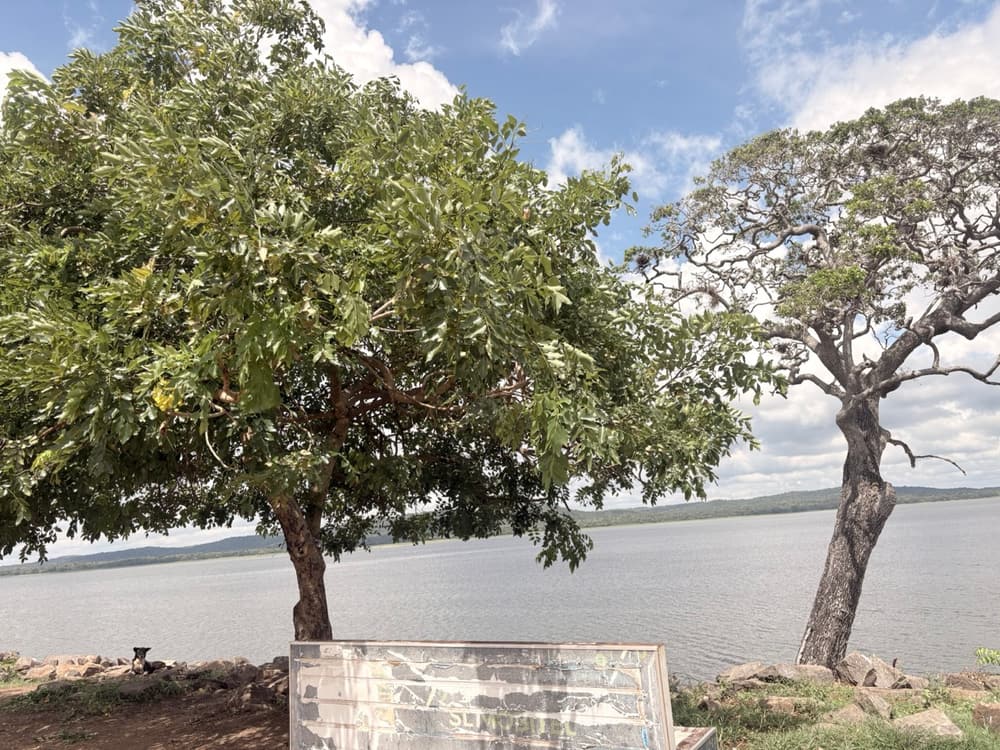
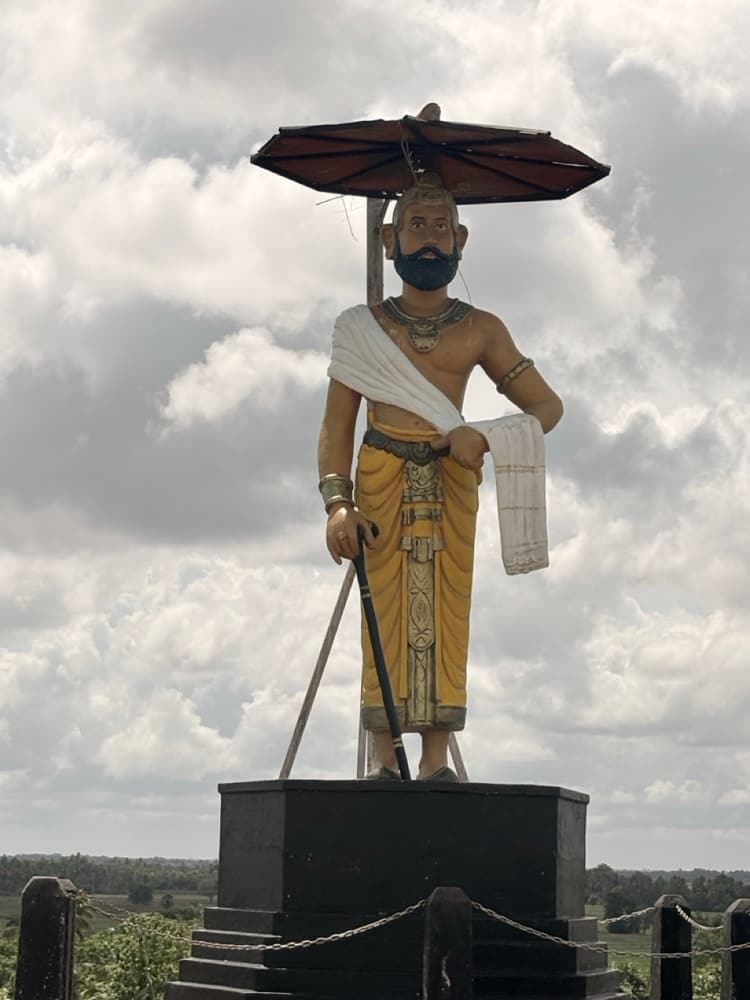
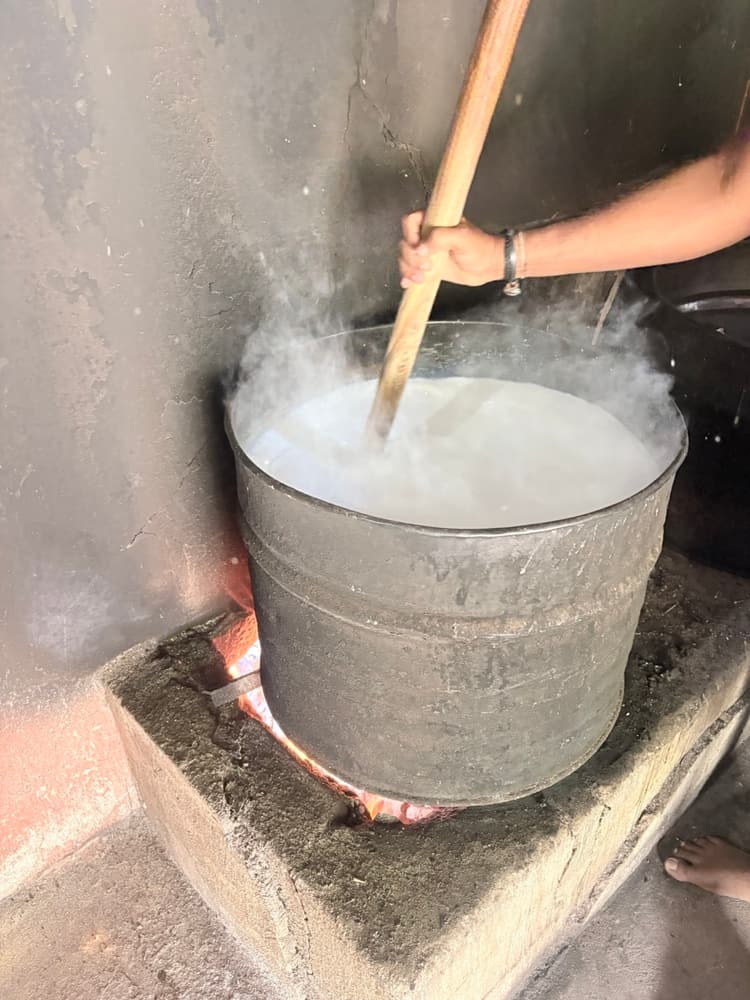
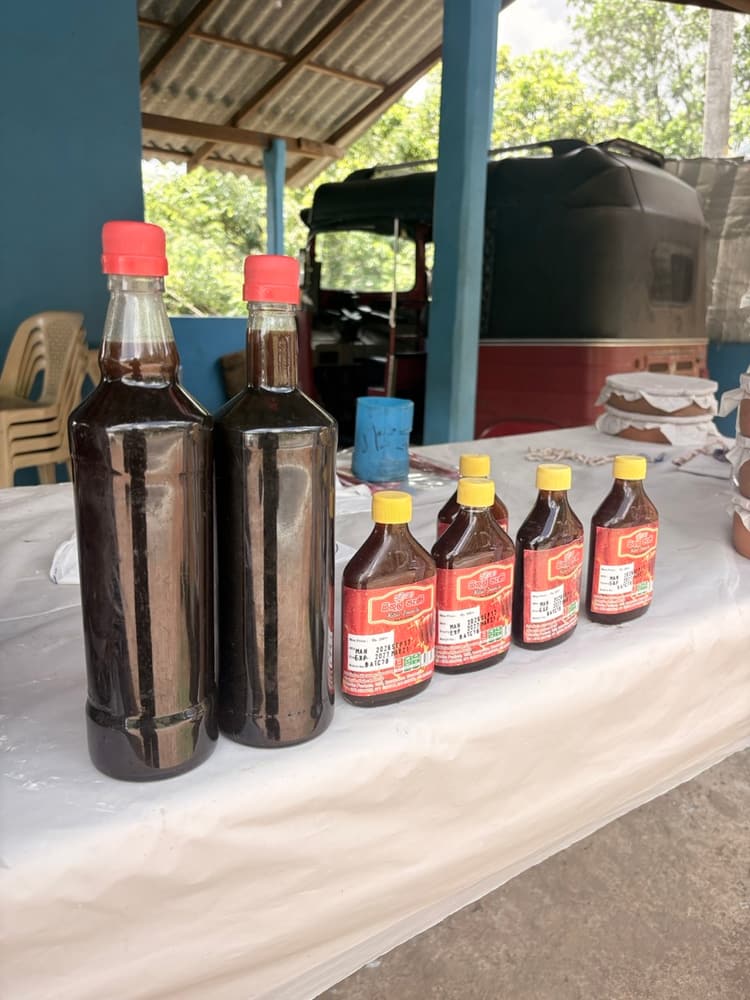
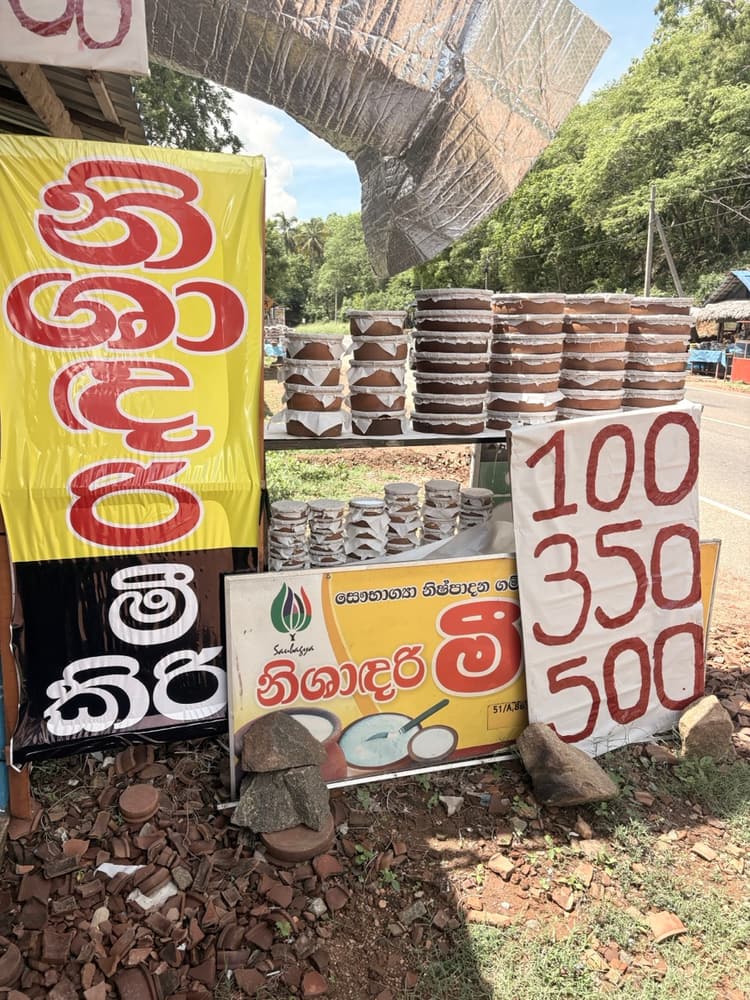
Kantale tank sits right beside the road, 37 km before Trincomalee. It was built by King Aggabodhi II (604–614 AD) — his statue stands on the bund — and later developed by King Parakramabahu the Great. The dam is about 4.3 km long and the reservoir holds around 135 million cubic metres of water. Along the road, families sell buffalo curd set in clay pots, with kithul treacle to pour over it; in October 2026 a pot cost Rs 100, 350 or 500 depending on size. Before Kantale the road crosses long stretches of reserved forest on the way past Kaudulla.
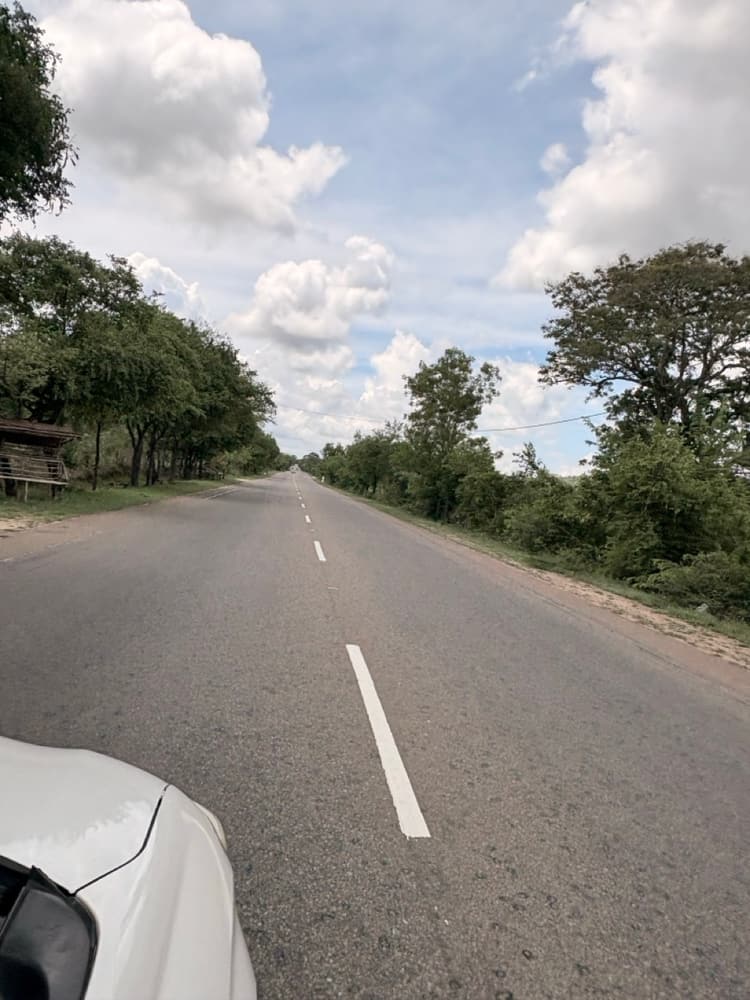
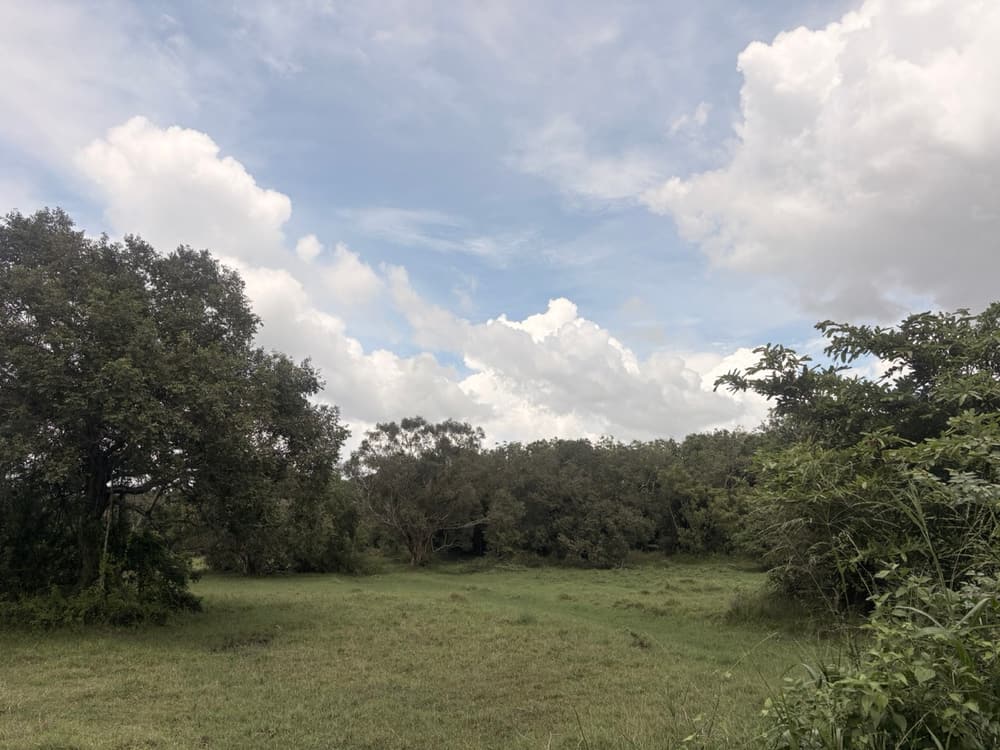
6. Trincomalee, Uppuveli and Nilaveli
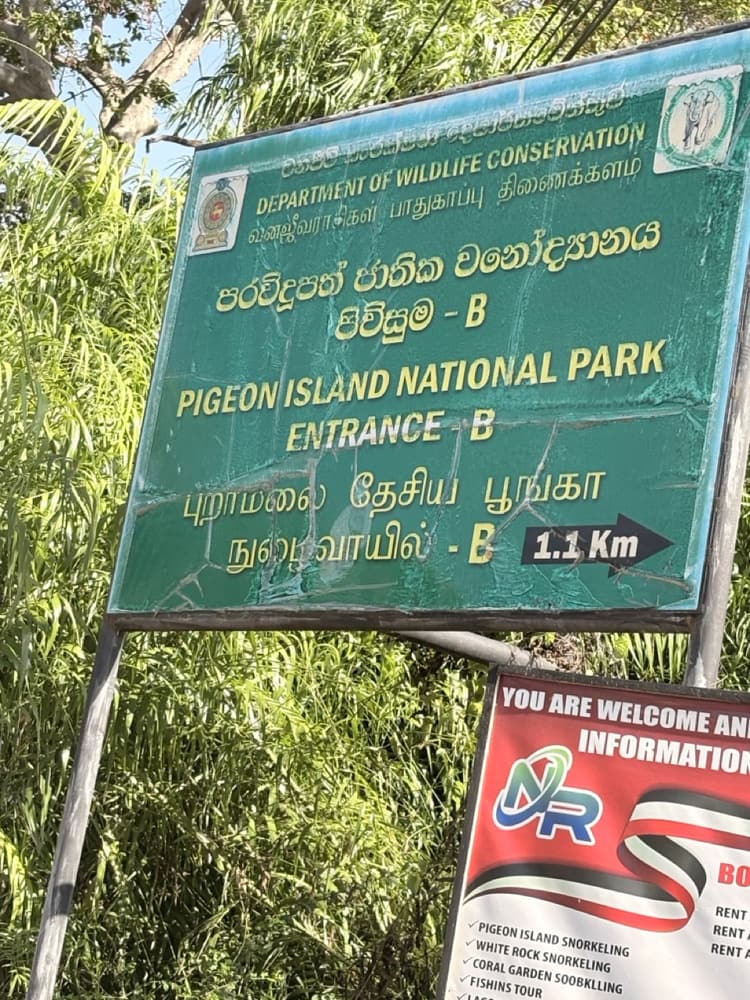
Trincomalee sits on one of the world's largest natural harbours, with Koneswaram temple on Swami Rock and Fort Frederick at the entrance to it. Most visitors stay on the beaches north of town: Uppuveli, and Nilaveli, 13 km north of Trincomalee (about 25 minutes). Pigeon Island National Park lies 1 km off Nilaveli — a national park since 2003, managed by the Department of Wildlife Conservation, with coral reef, reef fish and blacktip reef sharks. Marble Beach is 16 km from Trincomalee. Already in town? Trincomalee to Nilaveli taxi.
Only going to Habarana or Kantale?
Habarana is the base for Minneriya and Kaudulla elephant safaris and is close to Sigiriya; Kantale is the gateway town for the tank and the last stop before the east coast. Both are on this road, so the fares are simply shorter versions of the same trip.
| Route | Distance | Time | Mini | Sedan | Van |
|---|---|---|---|---|---|
| Colombo Airport → Habarana | 150 km | 3 hours 10 mins | Rs 23,100US$80 | Rs 24,150US$83 | Rs 33,000US$114 |
| Colombo Airport → Kantale | 200 km | 4 hours 8 mins | Rs 30,600US$106 | Rs 31,900US$110 | Rs 43,500US$151 |
| Kantale → Colombo Airport | 200 km | 4 hours 12 mins | Rs 30,600US$106 | Rs 31,900US$110 | Rs 43,500US$151 |
| Habarana → Kantale | 49 km | 51 mins | Rs 10,400US$36 | Rs 11,190US$38 | Rs 11,790US$40 |
| Habarana → Trincomalee | 83 km | 1 hour 29 mins | Rs 17,200US$59 | Rs 18,330US$63 | Rs 18,930US$65 |
| Kantale → Trincomalee | 37 km | 47 mins | Rs 8,000US$27 | Rs 8,670US$30 | Rs 9,270US$32 |
Heading to a Habarana hotel for a Minneriya or Kaudulla safari?
Book this transferTaxi to Trincomalee from other places
| From | Distance | Time | Mini | Sedan | Van |
|---|---|---|---|---|---|
| Kandy → Trincomalee | 178 km | 3 hours 55 mins | Rs 27,300US$94 | Rs 28,490US$98 | Rs 38,880US$135 |
| Sigiriya → Trincomalee | 98 km | 1 hour 51 mins | Rs 20,200US$70 | Rs 21,480US$74 | Rs 22,080US$76 |
| Dambulla → Trincomalee | 105 km | 1 hour 55 mins | Rs 16,350US$56 | Rs 17,175US$59 | Rs 23,550US$81 |
| Anuradhapura → Trincomalee | 107 km | 2 hours 2 mins | Rs 16,650US$57 | Rs 17,485US$60 | Rs 23,970US$83 |
| Polonnaruwa → Trincomalee | 128 km | 2 hours 23 mins | Rs 19,800US$68 | Rs 20,740US$72 | Rs 28,380US$98 |
| Negombo → Trincomalee | 236 km | 4 hours 37 mins | Rs 36,000US$125 | Rs 37,480US$130 | Rs 51,060US$177 |
| Ella → Trincomalee | 269 km | 5 hours 40 mins | Rs 40,950US$142 | Rs 42,595US$147 | Rs 57,990US$201 |
| Nuwara Eliya → Trincomalee | 283 km | 6 hours 9 mins | Rs 43,050US$149 | Rs 44,765US$155 | Rs 60,930US$211 |
| Galle → Trincomalee | 363 km | 6 hours 39 mins | Rs 55,050US$191 | Rs 57,165US$198 | Rs 77,730US$269 |
| Mirissa → Trincomalee | 389 km | 6 hours 53 mins | Rs 58,950US$204 | Rs 61,195US$212 | Rs 83,190US$288 |
| Jaffna → Trincomalee | 232 km | 4 hours 3 mins | Rs 35,400US$122 | Rs 36,860US$127 | Rs 50,220US$174 |
From popular hotels
| From hotel | Distance | Time | Mini | Sedan | Van |
|---|---|---|---|---|---|
| Galle Face Hotel → Trincomalee | 269 km | 5 hours 30 mins | Rs 40,950US$142 | Rs 42,595US$147 | Rs 57,990US$201 |
| Shangri-La Colombo → Trincomalee | 268 km | 5 hours 29 mins | Rs 40,800US$141 | Rs 42,440US$147 | Rs 57,780US$200 |
| Cinnamon Grand Colombo → Trincomalee | 270 km | 5 hours 32 mins | Rs 41,100US$142 | Rs 42,750US$148 | Rs 58,200US$202 |
| Kingsbury Hotel Colombo → Trincomalee | 268 km | 5 hours 26 mins | Rs 40,800US$141 | Rs 42,440US$147 | Rs 57,780US$200 |
| Jetwing Blue Negombo → Trincomalee | 238 km | 4 hours 52 mins | Rs 36,300US$126 | Rs 37,790US$131 | Rs 51,480US$178 |
| Heritance Negombo → Trincomalee | 237 km | 4 hours 51 mins | Rs 36,150US$125 | Rs 37,635US$130 | Rs 51,270US$178 |
| Cinnamon Lodge Habarana → Trincomalee | 84 km | 1 hours 32 mins | Rs 17,400US$60 | Rs 18,540US$64 | Rs 19,140US$66 |
| Earl's Regency Kandy → Trincomalee | 180 km | 4 hours 3 mins | Rs 31,020US$107 | Rs 32,220US$111 | Rs 39,300US$136 |
| Jetwing Vil Uyana → Trincomalee | 100 km | 1 hours 54 mins | Rs 20,600US$71 | Rs 21,900US$76 | Rs 22,500US$78 |
When to go
Trincomalee's dry season runs from April to August — the best months for calm water at Pigeon Island and the beaches. October to December are the wettest months on the east coast. The road itself is open all year, and elephants are on the move around Kaudulla from about September.
Why book this drive with TaxiGo
- Fixed price for the whole vehicle — expressway tolls, fuel and driver included, no meter.
- Your driver meets you in the arrivals hall with a name board, and your flight time is tracked.
- Measured distances and live fares — the price on this page is the price you book.
- English-speaking drivers who know the elephant stretches and the good stops.
- Free cancellation up to 24 hours before pickup (policy), 24/7 service and WhatsApp support.
More on the east coast: Trincomalee taxi rates · all taxi routes from Trincomalee · Sigiriya taxi rates.
Frequently asked questions
How far is Trincomalee from Colombo Airport?
Trincomalee is about 235 km from Bandaranaike International Airport (CMB) by road. We measured the route with Google Maps: Katunayake to Kurunegala on the Central Expressway, then the A6 through Dambulla, Habarana and Kantale.
How long does a taxi from Colombo Airport to Trincomalee take?
About 4 hours 50 minutes of driving in normal traffic. With a coffee stop and a break at Dambulla or Kantale, plan on 5½ to 6 hours door to door. Without the expressway the same trip takes about 30 minutes longer.
How much is a taxi from Colombo Airport to Trincomalee?
A TaxiGo transfer costs Rs 35,700 (about US$123) for a mini car, Rs 37,170 for a sedan and Rs 50,640 for a van. It is a fixed price for the whole vehicle, not per person, and includes expressway tolls, fuel and the driver.
Is the fare per person?
No. The fare is for the whole car or van, whether one person travels or the vehicle is full. Mini cars suit two people with light luggage, sedans three, and vans up to eight.
Which route does the driver take to Trincomalee?
From the airport the driver joins the Central Expressway (E04) and leaves it at Kurunegala, then follows the A6 north-east through Dambulla, past the Sigiriya turn-off at Inamaluwa, through Habarana and Kantale to Trincomalee. It is the fastest road route.
Can we stop at Dambulla, Sigiriya or Kantale on the way?
Yes. Short stops for coffee, a photo at Kantale tank or a pot of buffalo curd are part of the trip. For a longer visit — climbing Sigiriya Rock or the Dambulla cave temple — mention it when you book so the driver's time is included in your fixed price.
Will we see wild elephants on the way to Trincomalee?
Often. The A6 near Habarana runs through forest where wild elephants come right to the road edge, and the stretch towards Kantale has elephant crossing signs. Sightings are never guaranteed. Feeding wild animals is prohibited, and our drivers keep their distance and never stop to feed.
How far is Habarana from Colombo Airport?
About 151 km, roughly 3 hours 15 minutes by road. A TaxiGo transfer to Habarana costs Rs 23,100 for a mini car, Rs 24,150 for a sedan and Rs 33,000 for a van.
How far is Kantale from Colombo Airport?
About 200 km, roughly 4 hours 10 minutes. A TaxiGo transfer to Kantale costs Rs 30,600 for a mini car, Rs 31,900 for a sedan and Rs 43,500 for a van. Kantale is 37 km before Trincomalee.
How far are Nilaveli and Uppuveli beaches from Colombo Airport?
Uppuveli is about 237 km (around 4 hours 50 minutes) and Nilaveli about 248 km (around 5 hours 10 minutes) from the airport. Nilaveli is 13 km north of Trincomalee town, roughly 25 minutes by car.
What is the best time of year to visit Trincomalee?
The east coast's dry season runs from April to August, when the sea is calm for Pigeon Island and the beaches. October to December are the wettest months on this coast.
Can I book the return trip from Trincomalee to the airport?
Yes. Trincomalee to Colombo Airport is the same road in reverse, at Rs 35,700 for a mini car, Rs 37,170 for a sedan and Rs 50,640 for a van. Allow enough time for your flight — about 4 hours 50 minutes of driving plus stops.
Do drivers meet us at the airport arrivals hall?
Yes. Your driver waits in the arrivals hall at Bandaranaike International Airport with a name board, and flight times are tracked so a late landing does not lose your booking. TaxiGo runs 24 hours a day.
Land at Colombo, wake up by the sea in Trincomalee
Book your fixed-price transfer now, or message us on WhatsApp for stops, child seats or a van for a group.
Transfers
Hotels
Contact us

About Taxigo Lanka: Your Trusted Travel Partner in Sri Lanka
Our Commitment: Quality, Affordability, and Safety. Welcome to Taxigo Lanka, where we are redefining transportation across Sri Lanka. Our core commitment is simple: to offer you the finest taxi service at the most affordable rates nationwide, all while prioritizing your safety and comfort above everything else. As a leading transport provider in Sri Lanka, we specialize in offering seamless, reliable, and trustworthy travel experiences, whether it's a quick city hop, a crucial airport transfer, or a multi-day island tour.
Taxi
Go
